
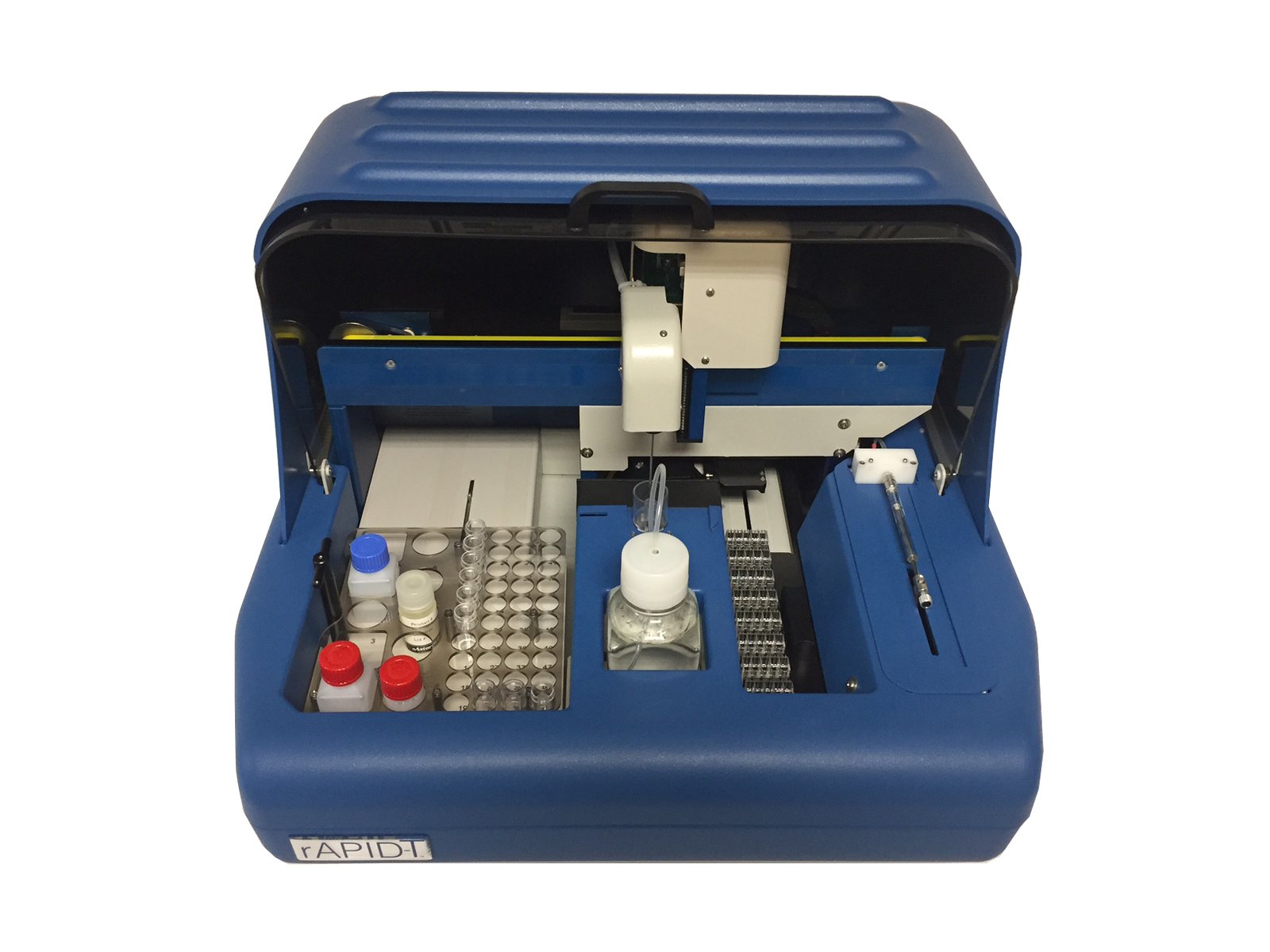
r-APID-T Discrete Analyzer
Astoria-Pacific offers an incredibly versatile, affordable, and fully automated system
The advantages of this system are numerous:
- Multiple analyses can be run with no physical changes to the system
- The operator can select what analyses he/she would like to run on each sample
- Reagent consumption is even lower than our Astoria and Astoria2 systems, generally ~ 5 – 60 uL
- In-line dilution of above-range samples and in-line standards prep from a single stock standard are included
- Periodic maintenance is reduced because of the elimination of pump tubes, transmission tubing, dialysis membranes, etc.
- The software is more intuitive and provides complete control of the system’s components.
- Affordable! For small, medium or large-scale labs!
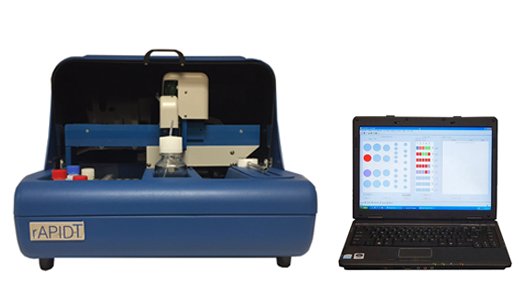
With a colorimetric detector, 40 place sample rack, a 10 place reagent tray, and quick analysis rates of up to 200 tests per hour, the rAPID-T makes quick work of many common tests like:
- Alkalinity
- Ammonia
- Chloride
- Chlorine
- Cyanide (Post Dist.)
- HexChrome
- Nitrate (by Enzymatic or Vanadium)
- Nitrite
- Phenol (Post Dist.)
- OPhos
- Silica
- Sulfate
- TKN
- Total Nitrogen (Pers. Digest)
- Total Phosphorus (Pers. Digest)
In the Beer/Wine Industry a majority of our clients test for:
- Acetic Acid
- Acetaldehyde
- Ammonia
- Glucose+Fructose
- Free Sulfite
- Malic Acid
- NOPA
- Total Sulfite
The system is durable, affordable, and can be used in a winery or brewery of any size. Current clients using the system range from 3000 – 500000+ cases a year.
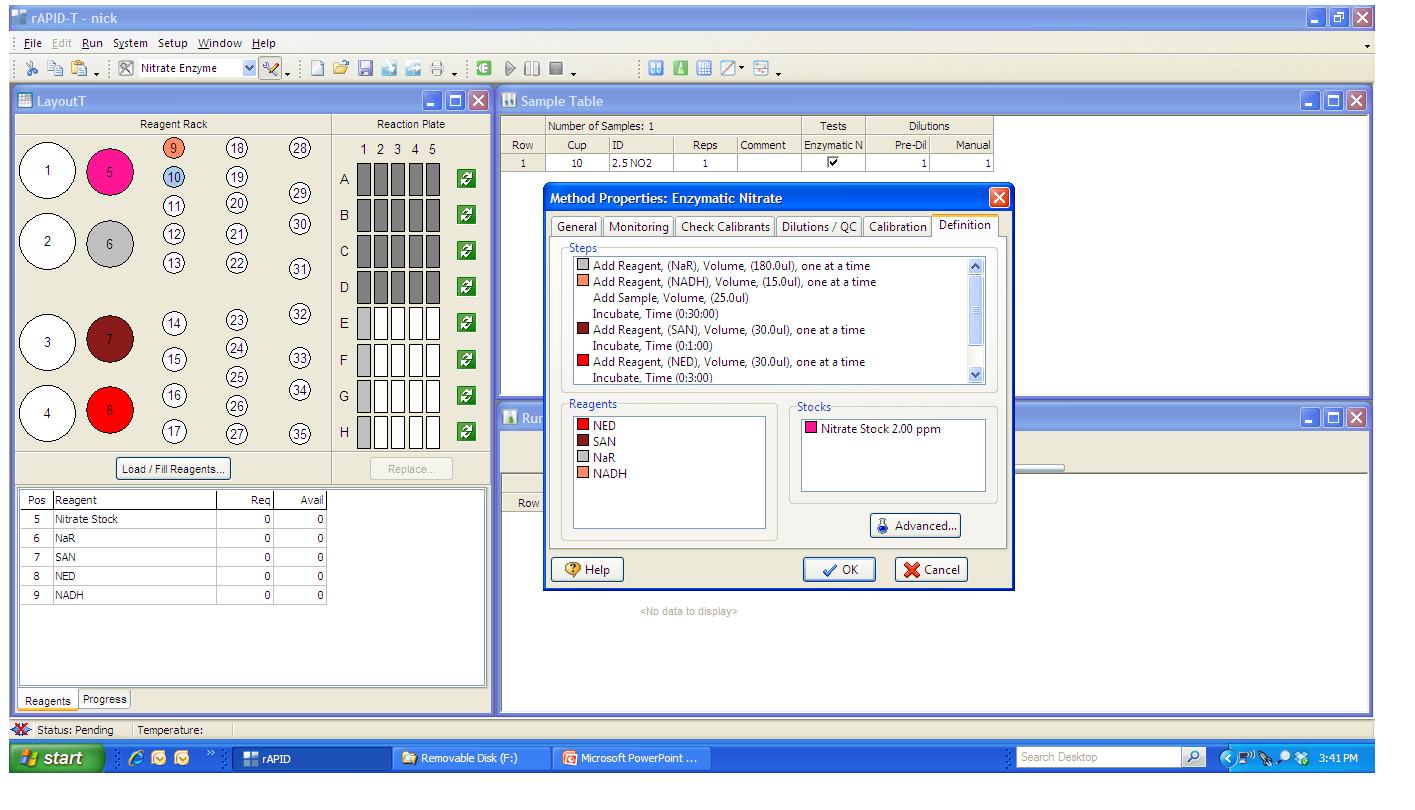
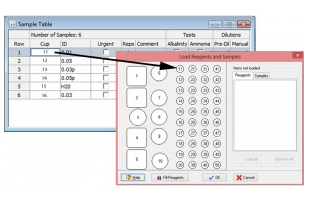
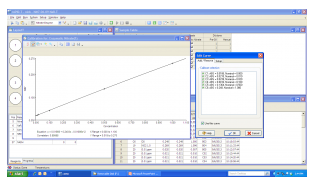
rAPID-T software quickly analyzes your samples. It can dilute any samples that than are above range, and/or you can have the system pre-dilute them as needed. Values can be uploaded into the software’s integrated QC database and viewed in user-defined charts. A graphical display of the system provides real-time info such as samples in progress, time left for analysis, sample concentrations already collected, warnings of low reagent, etc.